Understanding Window Films and Tints

  • Window Films for Beginners: How Professional Installation Works in Toronto and the GTA

    Window Films for Beginners: How Professional Installation Works in Toronto and the GTA

    If you are searching for window films in Toronto and the GTA, you are probably trying to fix a real problem fast. Your room gets too hot in the afternoon. Your office has glare on every screen. Your front windows feel too open. Your floors are fading. For many homes and businesses, window films are a practical way to improve glass without replacing the whole window system.

    This guide is for beginners. You do not need to know film brands, glass ratings, or installer jargon. You just need clear answers. We will go over what window films do, how professional installation works, what mistakes people make, and how to choose the right film for a condo, house, office, clinic, or storefront in Toronto, North York, Etobicoke, Scarborough, Mississauga, Vaughan, Markham, Richmond Hill, and the rest of the GTA. By the end, the topic should feel simple, not confusing.

    What You’ll Learn in This Guide

    • What window films are and why people use them
    • How professional installation works step by step
    • Which film type fits heat, glare, privacy, or security needs
    • What beginners often get wrong
    • How to compare installers in Toronto and the GTA
    • Why window films can make more sense than a full glass replacement

    What Are Window Films and Why Do Toronto Properties Use Them?

    Window films are thin layers applied to glass to change how the glass performs. Some films help reduce solar heat. Some lower glare. Some add privacy. Some help hold broken glass together after impact. Some are mostly decorative. The right choice depends on the room, the glass, and the problem you want to solve.

    In Toronto and the GTA, weather and building style both matter alot. Condo towers near Harbourfront, CityPlace, and Liberty Village often get strong afternoon sun. Storefronts on busy streets in Scarborough or North York may need more privacy and better glass protection. Offices in Markham and Vaughan with large glass walls can get hot and bright by 2 p.m. Homes in Etobicoke and Mississauga with big front windows often deal with glare, fading furniture, and that exposed feeling at night when indoor lights are on.

    That is why people ask about window films for both comfort and function. A lot of buyers start out thinking film is just dark tint. It is not. Some window films are very light in appearance. Some are frosted. Some are clear but still help with heat or UV. So the goal is not just to “make the glass darker.” The better goal is to make the glass work better for the room.

    One condo owner near King West had a west-facing living room that looked great in listing photos but felt rough to sit in after lunch. The glare hit the TV, the sofa got warm, and the floor by the balcony door had already started to fade. A solar control film changed that space without blocking the view. Thats the kind of job where film makes immediate sense.

    How Does Professional Window Films Installation Work?

    Professional installation is not hard to explain, but it does need skill. Good installers make it look easy because they repeat the same clean process on every job.

    The first step is glass cleaning. This is more important than many beginners think. Dust, lint, oils, and tiny debris can get trapped under the film if the prep is rushed. Once that happens, the finished glass can show small bumps or specks. That is one reason cheap installs sometimes look rough only a few feet away.

    After the glass is cleaned, the film is measured and cut. Some teams pre-cut. Some hand-cut on site for a tighter fit. Edge quality matters. If the border is uneven, too wide, or jagged, the whole job can look off even when the film itself is fine.

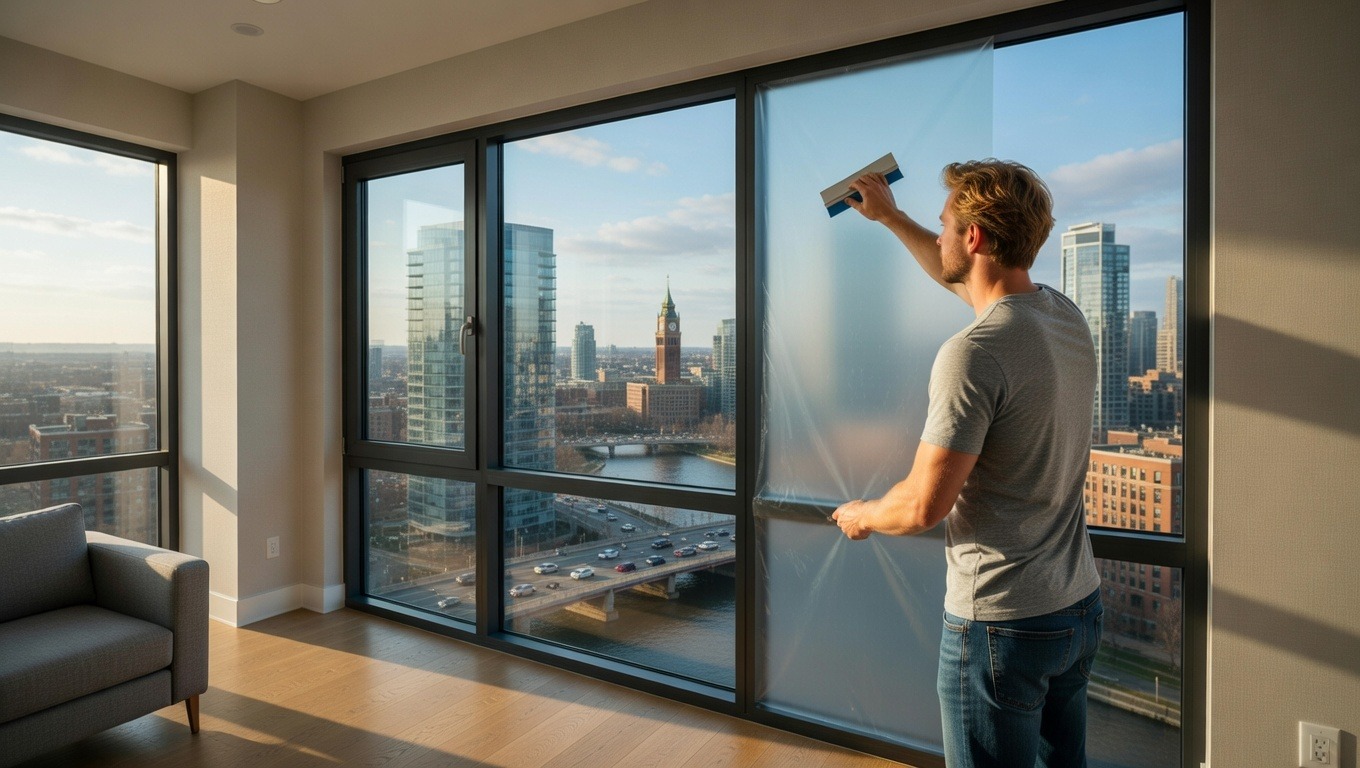
    Then the glass is sprayed with a slip solution so the film can be placed and adjusted. The installer lines it up, smooths it down, and uses a squeegee to push out water and air. This is where the real craft shows. The pressure has to be even. The angle matters. Rushing usually leads to trapped moisture, edge lift, or visual defects.

    After install, the film needs time to cure. Some haze or tiny water pockets can appear at first. That can be normal. A pro should say this before the job starts so you are not left wondering if something went wrong. The International Window Film Association gives a good basic overview of the architectural installation process, and it lines up with what experienced installers do in the field.

    If you are still trying to figure out who to hire, this guide on professional window film installers is a useful next step. It helps sort out which companies are selling on price only and which ones actually explain the work.

    Which Type of Window Film Should You Choose?

    Beginners often ask one question first: “Which film is best?” The honest answer is that the best film depends on the job. A condo living room in downtown Toronto and a retail front in Brampton may need very differnt products.

    Solar control window films

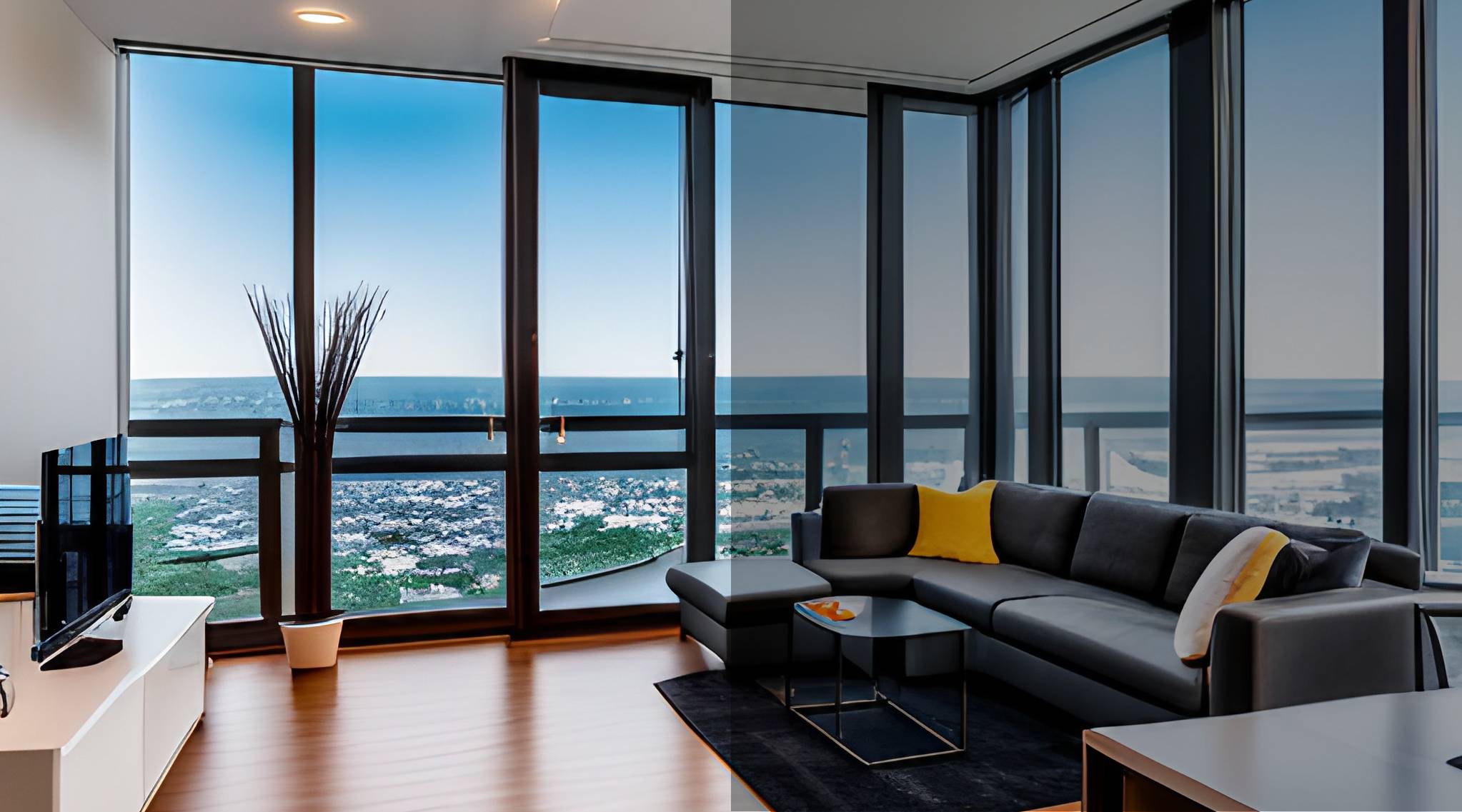
    Solar films are used when a room gets hot, bright, or full of glare. These are common in condos, upper-floor offices, homes with large south-facing glass, and restaurants with long front windows. Solar control film can help make the room feel easier to use during the hottest part of the day.

    Privacy window films

    Privacy films are used when the glass feels too open. Frosted film is common for bathrooms, front doors, office partitions, salons, and clinics. One-way films can help in daytime conditions, but many people misunderstand them. At night, if your lights are on inside, privacy can change fast.

    Security window films

    Security films are meant to help hold broken glass together after impact. They are often used on storefronts, side doors, offices, schools, and homes with vulnerable glass near entry points. They do not turn glass into a vault, but they can make forced entry slower and messier.

    Decorative window films

    Decorative films are chosen when appearance matters as much as privacy or branding. They work well in meeting rooms, reception areas, gyms, clinics, and homes that want a cleaner look on interior glass.

    A second example came from a small dental clinic near Highway 7 in Markham. The owner first asked for one film on every pane. After a site visit, the better plan was two films. A solar film went on the front windows to reduce harsh afternoon light. Frosted film went on one interior partition so patients had more privacy near the consult room. Same clinic, same budget range, but a much better result because the glass was treated by need, not by guesswork.

    Common Mistakes Beginners Make With Window Films

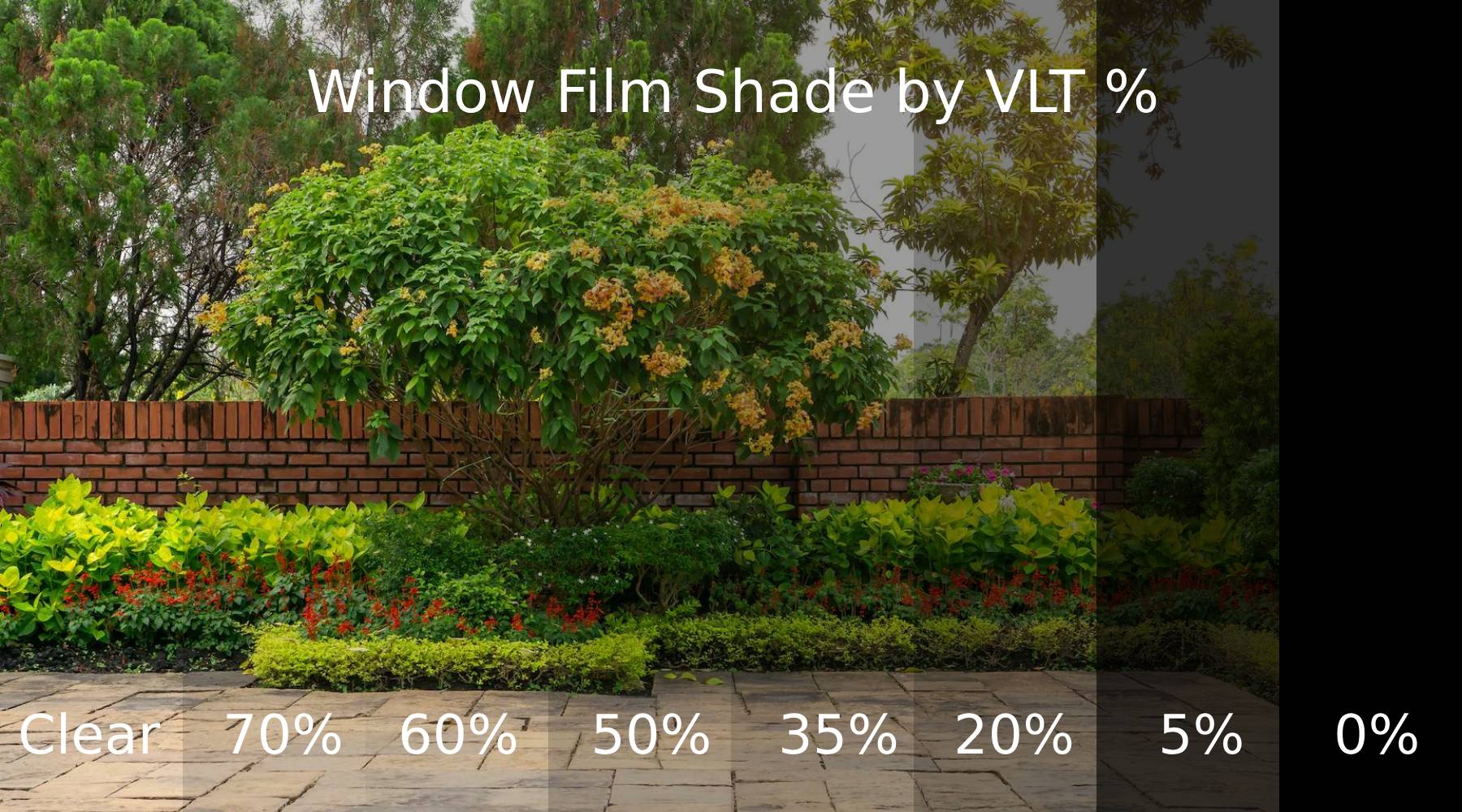
    The first mistake is choosing film by shade alone. Darker film does not always mean better performance. Some lighter products reject heat very well. Some darker products are chosen more for look than for comfort. If you buy by colour only, you can miss the point of the job.

    The second mistake is forgetting the glass type. Not every window is the same. Some are double-pane. Some are older. Some get hard afternoon sun. The film has to fit the glass and the conditions. That is why pro advice helps, even on jobs that seem simple.

    The third mistake is hiring on price alone. This happens alot in the GTA. Someone sees a low number, books the job, and then calls again a few months later because the film is peeling, the edges look sloppy, or the finish has debris trapped under it. Cheap can get expensive real quick.

    The fourth mistake is judging the result too early. Right after installation, some film can look a bit cloudy. Small moisture pockets may still be there. That does not always mean failure. Good installers explain the cure time and tell you what is normal and what is not.

    The fifth mistake is using the wrong cleaner after install. Harsh chemicals and rough tools can damage the surface or lift the edges. The Canadian Conservation Institute also explains how light and UV exposure affect materials, which helps people understand why film is used in the first place for fading control.

    How to Compare Window Film Installers in Toronto and the GTA

    If you are choosing between installers, start with simple questions. Do they explain film types in plain language? Do they ask about your glass, your sun exposure, and how the room is used? Do they talk about appearance, privacy, glare, and after-care? Or do they just throw out a price and move on?

    Look for local proof too. Reviews that mention Toronto neighbourhoods and GTA cities are useful. A company that has worked in North York condos, Vaughan offices, downtown storefronts, and Mississauga homes will usually understand local building types better than a company that gives very generic answers.

    Ask these questions before you book:

    • What film do you recommend for my glass, and why?
    • Will it change the look of the room a lot?
    • How long will the install take?
    • What should I expect during curing?
    • How do I clean it after install?
    • What does the warranty cover?

    Clear answers matter. If the person speaking to you sounds vague, rushed, or too focused on “best price,” that tells you something. Good installers do not need to make the topic sound fancy. They just explain it well.

    Why Window Films Often Make Sense Before Full Window Replacement

    For many Toronto and GTA properties, window films are a lower-disruption upgrade than replacing the full window unit. That matters in busy homes, open offices, shops, and clinics where people do not want a larger construction job if they can avoid it.

    Window films can help improve comfort, lower glare, add privacy, and support glass safety while keeping the existing window in place. That does not mean replacement is never needed. Some old or damaged windows still need bigger work. But when the main issue is heat, glare, privacy, or fading, film is often the more direct answer.

    This is one reason window films keep showing up in conversations with GTA homeowners, landlords, and business owners. The upgrade is easier to phase, easier to match to the problem, and easier to apply across only the windows that need help most. It is a practical move, not a flashy one.

    Final Thoughts for Toronto and GTA Property Owners

    If your glass is making the room too hot, too bright, too exposed, or harder to use, window films are worth a serious look. They help solve real day-to-day problems in condos, homes, offices, clinics, and storefronts across Toronto and the GTA. When the film is matched well and installed properly, the result feels cleaner, calmer, and more usable.

    For beginners, the main thing is not to overthink it. Start with the problem. Heat. Glare. Privacy. Security. Then match the film to that problem and hire an installer who explains the job clearly. That simple process saves time, saves money, and helps you avoid buying the wrong thing.

    If you are comparing options now, take notes on your rooms, your sun exposure, and what bugs you most about the glass. That makes the next quote call way more useful. And yeah, it also helps you spot who really knows the work and who is just trying to close fast.

  • Nighttime Privacy with Window Films What Works Best

    Nighttime Privacy with Window Films What Works Best

    When it comes to maintaining privacy in your home, particularly at night, the right window films can make a significant difference. Whether you’re looking to enhance the aesthetics of a room or seeking an eco-friendly option, privacy window films offer a versatile solution. This article will guide you through the best options available for nighttime privacy, helping you choose the perfect fit for your needs. We’ll explore various types of window films, their benefits, and installation tips, ensuring you have all the information needed to make an informed decision.

    modern-living-room-with-window-films

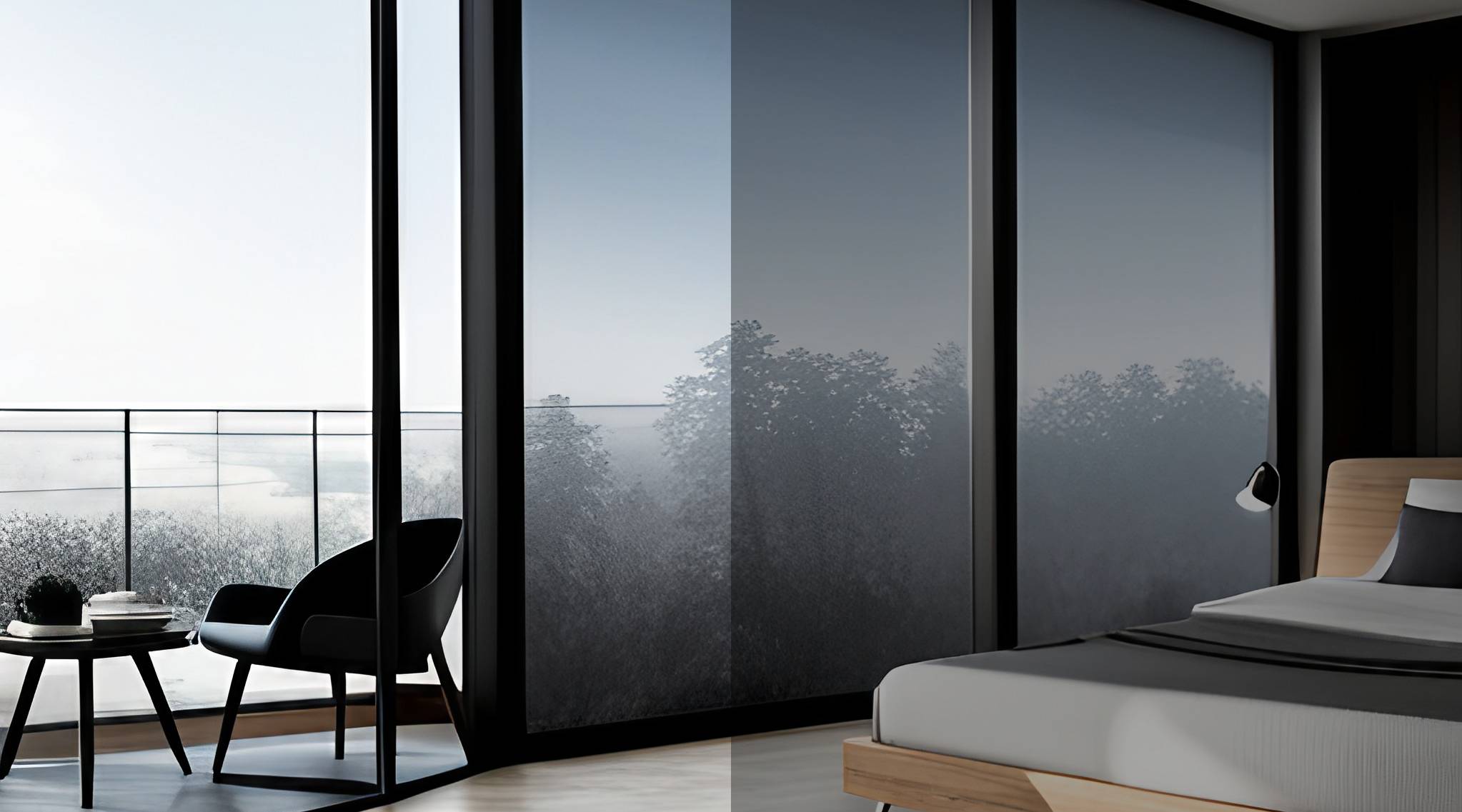
    Privacy window treatments are an essential consideration for anyone looking to enhance both the privacy and appearance of their living spaces. Unlike traditional curtains or blinds, privacy films offer a sleek and modern alternative that can significantly alter the look and feel of a room. These films work by adding a thin, adhesive layer to your window glass, which can either blur or completely obscure visibility from the outside. This not only enhances privacy but also allows for natural light to filter through, maintaining a bright and welcoming environment.

    In addition to privacy, window films offer flexibility in design and functionality. They can be tailored to suit various needs, whether you’re looking for a subtle enhancement or a bold statement. With advancements in technology, privacy films now come in a myriad of colors, patterns, and textures, providing options for every style preference. Furthermore, they are an excellent choice for renters who cannot make permanent changes to their living spaces, offering a temporary yet effective solution for privacy and style.

    Benefits of Privacy Glass Films

    Privacy glass films are not only about keeping prying eyes at bay. They also offer several additional benefits:

    • Energy Efficiency: Many window films are designed to block UV rays, reducing heat gain during summer and heat loss during winter. This can help lower your energy bills, making your home more sustainable. By maintaining a consistent indoor temperature, these films can also reduce the strain on your heating and cooling systems, potentially extending their lifespan.
    • Aesthetic Appeal: Available in various styles and patterns, window films can complement any interior design, adding a touch of elegance and sophistication. Whether you prefer a minimalist look or a more ornate design, window films can seamlessly integrate into your home decor, enhancing the overall ambiance and making your spaces more inviting.
    • Protection Against Fading: By blocking a significant amount of UV radiation, window films protect your furniture and flooring from fading. This protection can preserve the vibrancy and longevity of your interior furnishings, saving you money on replacements or repairs over time.
    • Cost-Effectiveness: Compared to replacing windows or installing new blinds, window films are a budget-friendly option. They offer a high return on investment by providing multiple benefits at a fraction of the cost of more permanent solutions.

    Choosing the Right Nighttime Privacy Window Films

    close-up-of-window-film-application

    Selecting the right window film for nighttime privacy involves considering several factors, including the level of privacy needed, the film’s appearance, and your budget. Here are some popular options to consider:

    Frosted Window Films

    Frosted window films are a classic choice for those seeking privacy. These films provide a sandblasted or etched glass appearance, diffusing light and obscuring views from the outside. Frosted films are ideal for bathrooms, bedrooms, or any space where privacy is paramount. They offer a timeless aesthetic that can blend seamlessly with both traditional and contemporary decor styles.

    In addition to their privacy benefits, frosted films allow for light transmission, ensuring that your rooms remain bright and airy. They are also available in various opacity levels, allowing you to customize the degree of privacy to suit your needs. Whether you want a subtle frosted effect or a more pronounced finish, these films offer flexibility and style.

    Reflective Window Films

    Reflective films are designed to mirror the exterior environment, making it difficult for outsiders to see in during the day. However, it’s important to note that at night, when it’s darker outside and brighter inside, reflective films may not provide the same level of privacy unless combined with other treatments. Pairing reflective films with curtains or blinds can enhance nighttime privacy while maintaining their daytime benefits.

    Reflective films are an excellent choice for those looking to reduce glare and heat from the sun while still enjoying natural light. They can also add a modern and sophisticated look to your windows, with a sleek mirrored finish that enhances your home’s curb appeal.

    Blackout Window Films

    For maximum privacy, blackout window films are the way to go. These films completely block out light, making them perfect for bedrooms or media rooms where light control is crucial. Blackout films offer the highest level of privacy both day and night, ensuring that your interiors remain hidden from view.

    Beyond privacy, blackout films also provide significant light control, creating an ideal environment for restful sleep or an immersive viewing experience. They can also help reduce noise from outside, contributing to a quieter and more peaceful living space. Available in various colors and finishes, blackout films can complement your interior design while delivering superior functionality.

    Decorative Window Films

    Decorative films offer an opportunity to add a personal touch to your windows while ensuring privacy. Available in a variety of patterns and designs, these films can mimic the appearance of stained glass or intricate patterns, turning your windows into a focal point. They provide a unique way to express your style and enhance the visual interest of your interiors.

    In addition to their aesthetic appeal, decorative films can also provide varying degrees of privacy, depending on the design and opacity. They are an excellent choice for those looking to combine privacy with artistic flair, allowing you to create a distinctive look that reflects your personality and enhances your home’s character.

    Installation Tips for Privacy Window Films

    installation-of-window-film

    by Maryam F. (https://unsplash.com/@encoreunemaryam)

    Installing window films can be a straightforward DIY project if you have the right tools and a bit of patience. Here’s a step-by-step guide to help you get started:

    1. Clean the Windows: Ensure your windows are clean and free from dust and debris. Use a gentle glass cleaner and a lint-free cloth for the best results. A clean surface is crucial for ensuring the film adheres properly and provides a smooth finish.
    2. Measure and Cut the Film: Measure your windows and cut the film to size, allowing a slight overlap for trimming. Accurate measurements ensure that the film fits perfectly, reducing waste and minimizing the need for adjustments.
    3. Apply the Film: Peel the backing off the film and apply it to the window, starting at the top and working your way down. Use a squeegee to smooth out any air bubbles. Take your time to ensure a bubble-free application, as this will impact the final appearance and effectiveness of the film.
    4. Trim the Edges: Use a sharp blade to trim any excess film from the edges for a clean finish. A neat edge enhances the professional look of your installation and ensures the film stays in place.

    Professional Installation

    While DIY installation is possible, hiring a professional can ensure a perfect fit and finish, particularly for large or complex windows. Professionals have the experience and tools needed to achieve a flawless installation, avoiding common pitfalls such as bubbles or misalignment. They can also advise on the best type of film for your specific needs and provide a flawless installation. This can be especially beneficial for specialized films or intricate designs that require precision.

    Professional installation can save you time and effort, allowing you to enjoy the benefits of your window films without the hassle. It can also provide peace of mind, knowing that your films are installed correctly and will perform as expected.

    Maintaining Your Privacy Window Films

    Once installed, maintaining your window films is essential to ensure they last and continue to look great. Here are some maintenance tips:

    • Regular Cleaning: Clean your window films regularly with a soft cloth and a mild soap solution. Avoid abrasive cleaners that can scratch the film. Regular cleaning not only keeps your films looking their best but also prevents the buildup of dirt and grime that can degrade the film over time.
    • Inspect for Damage: Periodically check your films for any signs of peeling or damage. Addressing issues early can prevent further damage. Prompt repairs can extend the life of your films and ensure they continue to provide the desired level of privacy and protection.
    • Avoid Harsh Chemicals: Use gentle cleaning solutions to prevent discoloration or damage to the films. Harsh chemicals can weaken the adhesive and cause the film to deteriorate, reducing its effectiveness and lifespan.

    Conclusion: Enhancing Your Living Space

    Privacy window films are a versatile and stylish solution for homeowners looking to enhance nighttime privacy. By understanding the different types of films and their benefits, you can select the perfect option to meet your needs. Whether you opt for a frosted, reflective, blackout, or decorative film, these treatments offer an effective way to improve privacy without compromising on style or energy efficiency.

    By carefully selecting and maintaining your window films, you can enjoy a more comfortable and private living environment. These films not only enhance your home’s privacy but also contribute to its aesthetic appeal, energy efficiency, and overall comfort. With the right choice and proper care, privacy window films can be a valuable addition to your living space, providing peace of mind and a stylish, modern look.

  • How Long Does Quality Window Film Last on Average

    How Long Does Quality Window Film Last on Average

    Window film installation process

    Before diving into longevity, it’s essential to understand what high-quality window film entails. These films are made from durable materials designed to withstand various environmental factors, which contributes to their long-lasting nature. Unlike lower-grade tints, quality window films are tested for performance and resilience, ensuring they meet industry standards and provide reliable protection and efficiency for years.

    What Makes Window Film Durable?

    Quality window film is crafted using advanced technology, incorporating layers of polyester film coated with UV blockers and scratch-resistant surfaces. This composition not only enhances durability but also improves the film’s ability to block harmful UV rays, reduce glare, and maintain indoor temperatures. The use of high-grade adhesives ensures the film remains securely attached to the glass, preventing peeling and bubbles, which are common issues with inferior products. Moreover, advancements in nanotechnology have enabled the creation of films that are not only robust but also aesthetically pleasing, offering options that can cater to various design preferences.

    Factors Affecting the Durability of Window Film

    Several factors determine how long a window film will last, including the quality of the film, installation process, and environmental conditions. Understanding these factors is crucial for maximizing the film’s longevity and ensuring you get the best return on your investment.

    Quality of the Film

    The primary determinant of a window film’s lifespan is its quality. Premium films typically last longer than their cheaper counterparts. They are designed to resist fading, peeling, and bubbling, which are common issues with lower-quality films. When selecting a film, it’s important to consider the manufacturer’s reputation and any warranties offered, as these are indicators of quality and reliability. High-quality films are subjected to rigorous testing to ensure they perform well under various conditions, ensuring that they maintain their appearance and functionality over time.

    Installation Process

    Professional window film installation

    The installation process plays a crucial role in the durability of window film. A professional installation ensures that the film adheres properly to the glass surface, reducing the risk of air bubbles and peeling. Professional installers also have the expertise to handle different window types and film materials, ensuring a perfect fit and finish. Additionally, they are equipped with the right tools and techniques to apply the film evenly and securely, which can significantly extend its lifespan. An improper installation can lead to premature wear and tear, so investing in professional services is often worth the cost.

    Environmental Conditions

    The environment where the film is applied greatly affects its lifespan. Films exposed to harsh sunlight, extreme temperatures, or high humidity may degrade faster. Conversely, window films in milder climates or protected locations tend to last longer. It’s important to consider the specific environmental challenges your windows face, as certain films are designed to withstand more extreme conditions. For example, films installed on windows receiving direct sunlight all day may require more frequent maintenance or replacement compared to those in shaded areas.

    Maintenance and Care

    Regular maintenance and care can extend the life of your window film. Cleaning the film with a soft, non-abrasive cloth and avoiding harsh chemicals will prevent scratches and maintain the film’s appearance and functionality. It’s also advisable to routinely inspect the film for any signs of damage or wear and address these issues promptly to prevent further deterioration. Establishing a regular cleaning schedule can help preserve the film’s clarity and effectiveness, ensuring that it continues to deliver its intended benefits over time.

    Average Lifespan of Quality Window Film

    On average, high-quality window films can last anywhere from 10 to 20 years. This range depends on the factors mentioned above, as well as the specific type of film used. For instance, solar control films designed to reduce heat and glare may have different lifespans compared to decorative films focused on aesthetics. Understanding the specific needs of your home and the type of film best suited for those needs can ensure you select a product with a lifespan that meets your expectations.

    Solar Control Films

    Solar control films are popular for their energy-saving benefits, reducing heat gain and glare while allowing natural light to enter. These films typically last between 10 to 15 years, depending on environmental exposure and maintenance. They are particularly beneficial for homes in hot climates, where reducing air conditioning usage can lead to significant energy savings. Regular cleaning and maintenance are essential to preserving their effectiveness and prolonging their lifespan, ensuring they continue to contribute to lower energy bills over time.

    Decorative Films

    Decorative films, used for privacy or aesthetic purposes, can also last up to 15 years. Their lifespan is often determined by their exposure to direct sunlight and the quality of the adhesive used during installation. These films offer a versatile way to enhance the appearance of your windows, providing options for frosted, etched, or colored designs that can complement your interior decor. Proper installation and care are key to maintaining their visual appeal and effectiveness, allowing you to enjoy their benefits for many years.

    Safety and Security Films

    Safety and security films, which provide an additional layer of protection by holding glass together in case of breakage, have a lifespan of around 15 to 20 years. The durability of these films is crucial for maintaining the safety features they offer. They are an excellent choice for homeowners seeking to enhance the security of their property, as they can deter break-ins and reduce the risk of injury from shattered glass. Regular inspections and maintenance can help ensure these films continue to function as intended, providing peace of mind and added protection for your home.

    Benefits of Investing in Quality Window Film

    Modern home with window film

    by Oliver Schweizer (https://unsplash.com/@oliver_schweizer)

    Investing in high-quality window film not only ensures longevity but also offers numerous benefits that enhance your living space. These benefits go beyond just aesthetics, contributing to a more comfortable, efficient, and secure home environment.

    1. Energy Efficiency: Quality window films help regulate indoor temperatures, reducing the need for air conditioning and heating, and ultimately lowering energy bills. This not only leads to cost savings but also reduces your carbon footprint, making it an environmentally friendly choice.
    2. UV Protection: They block harmful UV rays that can fade furniture, carpets, and artwork, preserving the integrity and color of your interiors. This protection helps maintain the value and appearance of your home furnishings, extending their lifespan and reducing the need for replacements.
    3. Glare Reduction: Window films minimize glare on screens and reflective surfaces, creating a more comfortable viewing experience. Whether you’re working from home or enjoying a movie, reduced glare can improve comfort and productivity.
    4. Aesthetic Appeal: Available in various styles and tints, window films can enhance the visual appeal of your home, providing privacy and a modern look. With options ranging from subtle to bold, you can customize your windows to reflect your personal style.
    5. Increased Safety: Security films add an extra layer of protection against break-ins and natural disasters by preventing shattered glass from scattering. This feature is especially valuable in areas prone to severe weather, offering peace of mind and protection for your family.

    Choosing the Right Window Film for Your Needs

    When selecting window film, consider your specific needs and preferences. Whether you’re looking for energy efficiency, privacy, or aesthetic enhancement, there’s a film type designed to meet those needs. Consulting with a professional installer can help you make an informed decision and ensure the best results, as they can recommend products that align with your goals and budget.

    Tips for Selecting Quality Window Film

    • Research Brands: Choose reputable brands known for producing high-quality films. Brands with positive reviews and industry certifications are likely to offer reliable products.
    • Check Warranties: Look for films with warranties, which can indicate the manufacturer’s confidence in the product’s durability. A strong warranty can provide peace of mind and financial protection in case of defects or premature wear.
    • Consider Professional Installation: A professional installation can maximize the film’s lifespan and performance. Experienced installers can ensure the film is applied correctly, preventing common issues and prolonging its effectiveness.

    Conclusion

    Quality window film is a valuable investment for any homeowner looking to enhance their living space. With proper selection, installation, and maintenance, high-quality films can last anywhere from 10 to 20 years, providing long-lasting benefits such as energy savings, UV protection, and improved aesthetics. By understanding the factors that affect film durability, you can make informed decisions and enjoy the advantages of window film for years to come. Whether for functional benefits or aesthetic enhancement, window films offer a versatile solution that can be tailored to suit your specific needs and preferences.

  • Best Window Films in Toronto and GTA: Tintly Window Films vs 3M vs Llumar for Retrofit and New-Build Installation

    Best Window Films in Toronto and GTA: Tintly Window Films vs 3M vs Llumar for Retrofit and New-Build Installation

    Window films are one of the most practical upgrades for homes and businesses in Toronto and the GTA. The right window films can cut glare, lower solar heat, add privacy, help protect floors from UV, and improve comfort without replacing the whole window. If you are comparing Tintly Window Films, 3M, and Llumar, you are probly trying to answer two things at once: which brand makes sense, and whether retrofit or new-build installation is the better move.

    That is a very normal Toronto question. In Liberty Village, condo owners deal with bright west sun. In North York and Markham, families want cooler back rooms in July. In Mississauga and Vaughan, shop owners want front glass that feels safer and less exposed. Window films are not just for dark office towers anymore. They are used in houses, condos, clinics, restaurants, schools, and retail units all across the GTA.

    If you want the basics first, you can start with window films and how they are used in real spaces. If cost is your main concern, it also helps to compare window film vs window replacement, because many retrofit jobs save money while still fixing heat, glare, privacy, or security problems.

    This article gives a simple local comparison. It uses plain language, but it also covers the parts Google cares about too, like solar heat gain, UV control, retrofit installation, new-build planning, and real-use performance. The goal is simple. Help you figure out which option fits your property in Toronto and the GTA.

    Tintly Window Films

    Tintly Window Films is the local choice in this comparison, and that changes the kind of help a customer gets. A big film brand can give product options. A local installer can give product advice based on the building, the glass, and the problem you are trying to fix. In the GTA, that matters alot.

    Older homes in East York do not behave the same way as a glass condo in CityPlace. A street-facing clinic in Scarborough does not need the same film as a custom home in Richmond Hill. With Tintly, the main advantage is that the recommendation starts with the actual site. That may sound simple, but it is where many film jobs either go right or go wrong.

    Tintly is a strong option for retrofit window films because most real jobs in Toronto are retrofit jobs. The owner already lives or works in the space. They already know which room gets hot, which office gets glare on monitors, or which front window feels too exposed at night.

    That local experience helps with:

    • Picking the right window films for existing glass
    • Checking if privacy, solar, decorative, or security film makes the most sense
    • Working around condo rules, store hours, or furnished homes
    • Solving a comfort problem without a full renovation

    A recent example came from a semi-detached home near High Park. The owners had a bright rear family room with big windows facing the yard. In winter, the room still felt cold near the glass. In summer, it turned stuffy by mid-afternoon. They first thought they needed new windows. After the glass was checked, window films were installed instead. The room felt more even, glare dropped, and the owners avoided a much larger project. It was a better fit for what they actualy needed.

    Tintly also works well for mixed goals. Some GTA clients want one film for more than one issue. They may want heat reduction, UV protection, and a cleaner exterior look at the same time. That kind of guidance matters for homeowners and business owners who do not want to guess.

    3M Window Films

    3M is usually the first name people mention when they start researching window films. It has strong brand awareness, a long product history, and a good reputation in commercial settings. In Toronto, 3M often comes up on office projects, government-related work, and residential upgrades where the owner wants a known name.

    3M window films are often picked for:

    • Commercial buildings with large glass areas
    • Homes where owners want a cleaner, lighter look
    • Projects focused on solar control and glare reduction
    • Jobs where a spec sheet or brand reputation matters

    Some 3M films are popular because they can reduce heat without making the glass look very dark. That is useful for homes in Rosedale, Leaside, or newer GTA neighbourhoods where owners want a subtle finish. On paper, that can look very appealing.

    But a fair comparison needs to say this clearly: 3M is a brand, not the person doing the install. A well-known film can still fail to impress if the installation is rushed or sloppy. Dust, edge lift, trapped debris, and poor trimming can ruin the result even when the film itself is good.

    That is why Toronto buyers should think about 3M in two parts:

    1. The product itself
    2. The local installer handling the job

    When both parts are strong, 3M can be a solid option. When only the brand is strong, the result may not match the price. That sounds blunt, but it is true in this business.

    One office near Yonge and Eglinton compared 3M to a local install option after staff kept lowering blinds all afternoon. They liked the brand name, but what ended up mattering most was the site review and film recommendation for the exact glass they had. That is the part buyers somtimes miss.

    Llumar Window Films

    Llumar is another well-known name in the window films market. It is often seen as practical, flexible, and easier to match with different budgets. For many homes and light commercial spaces, Llumar is a real contender because it offers a broad range of looks and performance levels.

    Llumar window films are common for:

    • Residential glare reduction
    • Privacy upgrades
    • Basic heat control
    • Small office and storefront improvements

    In parts of Brampton, Vaughan, and Markham, owners often ask for window films that add more privacy from the outside while still keeping the room usable from the inside. Llumar products are often part of those conversations because the brand gives a wide menu of choices.

    That said, the same rule still applies. The performance of window films depends on the match between the film, the glass, and the install quality. A lower-priced film that is right for the job can beat a more famous film that is wrong for the glass. Buyers do not always hear that, but they should.

    A small case study came from a family dental office in Mississauga. Afternoon sun was hitting the front waiting area hard, and patients kept shifting seats away from the glass. The owners did not want a heavy mirrored look. They wanted a cleaner, calmer room. After a film upgrade, the glare eased, the waiting area felt more balanced, and the front windows still looked neat from the street. It was a small fix, but it improved daily use right away.

    Llumar is often a good match for buyers who want flexibility and decent value. It may not be the first name every homeowner says out loud, but it belongs in the conversation.

    Retrofit vs New-Build Window Films

    This is where a lot of confusion starts. Retrofit window films are installed after the windows are already in place. New-build window films are planned during construction or added before the building is fully occupied. Both approaches can work very well. Retrofit is not a weaker option just because it happens later.

    In Toronto and the GTA, retrofit is the normal path. Most buildings are already standing. People search for window films after they feel a problem every day. The bedroom is too bright at sunrise. The boardroom screen gets washed out by glare. The front glass of a store feels exposed at night. The back family room gets hot every summer. Those are retrofit problems, and window films are often the fix.

    Retrofit window films make sense when:

    • You want to improve an existing room
    • You want lower cost than replacing windows
    • You know exactly where the comfort issue is
    • You need privacy, solar control, UV protection, or added glass hold

    New-build installation can also make sense. It gives easier access to the glass before furniture goes in, and it lets owners plan window films early in the design process. But in real GTA projects, many builders leave the choice until later. That means the work still ends up being retrofit.

    For energy and window performance basics, ENERGY STAR explains how windows affect heat gain and comfort. Natural Resources Canada also shares useful guidance on improving energy performance in Canadian homes. Those resources help explain why window films matter so much in our climate, where July heat and January cold both hit hard.

    Which Window Films Fit Toronto and GTA Properties Best?

    The answer depends on the problem, not just the brand.

    For homes with strong sun and hot rooms

    Solar window films are often the best place to start. These films help reduce heat gain and glare, especially on south-facing and west-facing glass. Homes in Etobicoke, North York, and newer Markham subdivisions often run into this problem.

    For condos that need more privacy

    Privacy or frosted window films are a common answer. Downtown Toronto condos, CityPlace towers, and units near busy streets often need privacy without heavy blinds all day.

    For storefronts and ground-floor spaces

    Security window films may help where forced entry is a concern. They do not make glass unbreakable, but they can help the glass stay together longer after impact. That extra delay matters for some shops and offices.

    For owners worried about fading floors and furniture

    UV-control window films help reduce sun damage on hardwood, fabric, rugs, and displays. This is a common complaint in bright homes and front-facing commercial spaces.

    So the best window films are not always the ones with the biggest brand name. They are the ones that solve the right problem on the right piece of glass.

    Tintly Window Films vs 3M vs Llumar: The Local Take

    Here is the short version.

    • Tintly Window Films works best when you want local advice, strong retrofit planning, and film choices based on the real site
    • 3M works best when brand recognition matters and the installer is also very strong
    • Llumar works best when you want product range, practical value, and a flexible option for home or light commercial use

    For many Toronto and GTA properties, the installer shapes the outcome as much as the film brand does. That is true for homes near the Danforth, condos near Union Station, offices in North York, and retail units in Mississauga. The room, the sun, the glass, and the install quality all matter.

    If you are comparing window films for a real project, start with the problem you want fixed. Too much heat. Too much glare. Too little privacy. Worry about broken glass. Once that is clear, the right film choice gets a lot easier, and the comparison between Tintly, 3M, and Llumar becomes more honest too.

  • Finding Trusted Window Film Installers in Your Area

    Finding Trusted Window Film Installers in Your Area

    # Finding Trusted Window Film Installers in Your Area

    When it comes to enhancing the comfort and aesthetics of your home, window film installation is a solution you might want to consider. Not only does it improve energy efficiency, but it also adds a layer of privacy and style. However, finding trusted window film installers can be a daunting task. In this guide, we’ll walk you through how to locate professional window tinting experts who can deliver quality and precision tailored to your needs.

    Window film benefits

    Before diving into the search for installers, it’s essential to understand why window film might be an excellent choice for your home. Window film can significantly reduce glare, block harmful UV rays, and maintain comfortable indoor temperatures. Additionally, it offers aesthetic enhancements, contributing to a modern, sleek appearance for your windows.

    Energy Efficiency and Cost Savings

    One of the primary reasons homeowners opt for window film is to improve energy efficiency. By reducing the amount of heat that enters your home, window film helps in maintaining a consistent temperature, which can lower your heating and cooling costs. This eco-friendly solution not only benefits your wallet but also reduces your carbon footprint.

    Enhancing Privacy and Security

    Privacy is a top concern for many homeowners. Window films can provide an added layer of privacy without sacrificing natural light. There are also security window films available that help hold glass together in the event of an impact, offering additional protection against break-ins.

    How to Find Trusted Window Film Installers

    Professional window tinting

    Locating a reliable window film installer involves more than just a quick internet search. Here are some steps to help you find the right professionals in your area.

    Research and Reviews

    Start by researching local window film experts online. Look for companies with a strong online presence and positive customer reviews. Websites like Yelp, Google Reviews, and Angie’s List can provide valuable insights into the experiences of previous customers. Pay attention to feedback about the quality of service, professionalism, and timeliness.

    Verify Credentials and Experience

    Ensure the installers you consider have the necessary credentials and experience. Look for certifications from recognized industry associations, such as the International Window Film Association (IWFA). Experienced installers are more likely to provide high-quality results and address any issues that might arise during installation.

    Request Quotes and Compare

    Contact several installers to request quotes. This step will give you a sense of the market rate for window film installation in your area and help you assess the value offered by different companies. Be wary of quotes that seem too good to be true, as they may indicate subpar materials or workmanship.

    Ask for References

    Don’t hesitate to ask potential installers for references from past clients. Speaking directly with former customers can provide a clearer picture of what you can expect in terms of service quality and customer satisfaction.

    Questions to Ask Potential Installers

    Window film expert discussing options

    by Frankie Cordoba (https://unsplash.com/@foulsterr)

    When you have narrowed down your options, it’s time to engage potential installers in a conversation. Here are key questions to ask to ensure you’re making an informed decision.

    What Types of Films Do You Offer?

    A good installer should offer a variety of window film options to suit different needs. Whether you’re looking for decorative films, solar control films, or security films, they should have a range of products to choose from.

    What Is the Installation Process?

    Understanding the installation process can help set your expectations. Ask about the steps involved, the time it will take, and how they handle any potential challenges that may arise during installation.

    Do You Offer Warranties?

    A reputable installer should provide warranties on both the materials and labor. This guarantees that you’re covered if issues develop post-installation.

    How Do You Handle Cleanup?

    Professionalism extends to how installers handle the cleanup process. Ensure that the company will leave your home as clean as they found it, disposing of any waste materials properly.

    Benefits of Hiring Professionals

    Hiring professional window film installers offers several advantages over DIY installation. Professionals have the expertise to ensure the film is applied smoothly without bubbles or creases. They also have access to high-quality materials that may not be available to the general public. Furthermore, their work is backed by warranties, giving you peace of mind.

    Conclusion

    Finding trusted window film installers in your area requires a bit of research and diligence. By following the steps outlined above, you can locate professionals who will deliver excellent service and help you achieve the desired enhancements to your home. Whether you’re an interior designer seeking cost-effective solutions for your clients or a homeowner looking to improve comfort and energy efficiency, professional window tinting can make a significant difference.

    Remember, the right window film not only elevates the look of your home but also contributes to a more comfortable and sustainable living environment. Take the time to choose the right installers and enjoy the long-term benefits of quality window film.

  • Top Local Providers for Professional Window Tinting

    Top Local Providers for Professional Window Tinting

    Finding the right professional for window tinting can be a game-changer for your home or vehicle. Whether you’re looking to reduce glare, improve privacy, or enhance energy efficiency, the right window tinting services can offer you a range of benefits. In this article, we’ll explore some of the top local providers for professional window tinting and what makes them stand out.

    Window tinting benefits

    Window tinting is not just about aesthetics; it has a multitude of practical benefits. For homeowners and car owners alike, window tinting offers:

    • Energy Efficiency: By reducing heat gain, window tinting can lower your energy bills.
    • UV Protection: Tinted windows block harmful UV rays, protecting your skin and reducing fading on interior furnishings.
    • Increased Privacy: Tinted windows make it harder for outsiders to look inside, enhancing your privacy.
    • Reduced Glare: With window tinting, you can enjoy natural light without the discomfort of glare.

    For interior designers, window tinting can be a cost-effective way to add a sleek, modern look to any space while delivering practical benefits.

    Top Local Providers

    1. Tint Masters

    Tint Masters has established itself as a leader in the window tinting industry. They offer a wide range of window tinting services for both residential and automotive needs.

    • Services Offered: Car window tinting, residential window tinting, commercial window tinting.
    • Unique Selling Proposition: Known for their attention to detail and high-quality materials, Tint Masters ensures that every installation is perfect.
    • Customer Feedback: Clients praise their quick, professional service and the noticeable difference in indoor comfort and privacy after installation.

    2. Clear View Tint

    Car window tinting service

    Clear View Tint is celebrated for its innovative solutions and customer-centric approach. They cater to those looking for both aesthetic appeal and functional benefits.

    • Services Offered: Home window tinting, car window tinting, decorative window films.
    • Unique Selling Proposition: Their decorative films are particularly popular among interior designers for adding a touch of elegance to any window.
    • Customer Feedback: Customers appreciate their creative solutions and the way they seamlessly integrate window films into the existing decor.

    3. Solar Shield Tinting

    Solar Shield Tinting specializes in energy-efficient window solutions, making them a favorite among eco-conscious homeowners and businesses.

    • Services Offered: Solar control window films, security window films, automotive window tinting.
    • Unique Selling Proposition: Their solar control window films are designed to significantly reduce energy costs while enhancing indoor comfort.
    • Customer Feedback: Clients highlight the substantial savings on energy bills and the improved comfort levels in their homes and vehicles.

    Choosing the Right Provider

    When selecting a window tinting provider, consider the following factors:

    Quality of Materials

    Ensure that the provider uses high-quality materials that are durable and effective in blocking UV rays and reducing heat.

    Experience and Reputation

    Choose a provider with a strong reputation and extensive experience in the industry. Look for reviews and testimonials from previous clients to gauge their satisfaction levels.

    Range of Services

    Consider what services the provider offers and whether they align with your specific needs. Some providers specialize in automotive tinting, while others may focus on residential or commercial projects.

    Cost and Value

    While cost is an important factor, it shouldn’t be the only consideration. Assess the value you’re getting in terms of quality, service, and the long-term benefits of the tinting.

    Benefits for Interior Designers

    Decorative window films

    by Laurence Ziegler (https://unsplash.com/@laurenceziegler)

    For interior designers, window tinting offers a versatile solution that enhances both the aesthetics and functionality of a space. Here’s how:

    • Design Flexibility: Window films come in various shades and styles, allowing designers to match them with any interior theme.
    • Eco-Friendly Design: By improving energy efficiency, window tinting supports sustainable and eco-friendly design practices.
    • Comfort and Privacy: Tinted windows create a more comfortable and private environment, which is a key consideration in residential design.

    Conclusion

    Window tinting is an investment that offers multiple benefits, from energy savings to enhanced privacy and aesthetics. By choosing the right local provider, you can ensure a high-quality installation that meets your specific needs. Whether you’re an interior designer looking to add a modern touch to your projects or a homeowner seeking practical solutions, window tinting is a valuable addition to any space.

    Remember to evaluate the quality, experience, and range of services offered by providers to make an informed choice. With the right partner, you can transform your windows and enjoy the long-term benefits of professional window tinting.

  • Best Window Films in Toronto and the GTA: Tintly vs 3M vs Llumar

    Best Window Films in Toronto and the GTA: Tintly vs 3M vs Llumar

    Window films are one of the most practical upgrades for homes and businesses in Toronto and the GTA. Good window films can cut glare, help with privacy, reduce UV exposure, and make rooms feel more comfortable in both summer and winter. But when older film starts bubbling, peeling, fading, or turning hazy, many property owners ask the same question: should you repair it, replace it, or switch to a better brand?

    This guide compares three names people ask about all the time: Tintly Window Films, 3M, and Llumar. It also explains what usually goes wrong with aging window films, what tends to last in Toronto weather, and why the installer matters just as much as the product. If you want a basic explainer first, read what is window film. If your bigger question is cost versus a renovation, this guide on window film vs window replacement is also very useful.

    People in North York, Etobicoke, Scarborough, Mississauga, Vaughan, Markham, Richmond Hill, Brampton, Oakville, and Burlington all deal with a bit of the same thing. Big south-facing windows get hot in July. Condo glass gets harsh glare in the afternoon. Storefront windows get beat up by sun, cleaning, and traffic. Older homes with large living room panes often show every flaw once the light hits just right. So yes, brand matters. But install quality still decides a lot of the outcome.

    Natural Resources Canada explains that better window upgrades can improve comfort and energy use in Canadian homes, and the U.S. Department of Energy also notes that some window films can reduce solar heat gain on existing glass. You can read more here: Natural Resources Canada and U.S. Department of Energy.

    Tintly Window Films

    Tintly is local, and that matters more than many people think. A local window tinting service sees how glass performs in real Toronto conditions, not just in a product brochure. We work with houses, condos, offices, restaurants, and retail spaces across the GTA. That means we see the same problems over and over again, and we also see what actually lasts.

    Many failing window films are not bad because the idea of film is bad. They fail because the wrong film was installed on the wrong glass, or because the install was messy. A rough edge cut can turn into peeling. Trapped dust becomes bubbles. Too much moisture left under the film can create haze. Some installers rush the prep and hope the customer does not notice. Then six months later, the phone rings.

    Tintly handles new installs, removals, upgrades, and problem jobs. That is a big part of why people call us. They may already have film on the window, but it is not working the way it should. Sometimes it is old. Sometimes it was DIY. Sometimes it was done by another company that cut corners a bit too hard.

    A recent case in East York shows how this happens. A homeowner had old film on a front bay window. The film looked fine in the morning, but every afternoon the sun made the flaws show up. There were streaks, edge lift, and tiny bubbles across two panes. The owner thought a simple patch would fix it. Once we checked the glass, it was clear the adhesive had already started failing across most of the pane. A repair would have looked patchy and would not last. Replacing the film was the better move, even if the first idea seemed cheaper.

    Another case came from a small office in Vaughan near Highway 7. The staff complained that one side of the office felt hot and bright after lunch every day. The film on the windows was old and weak, and some panes had turned slightly purple. After removal and a better solar film install, the office felt more even and easier to work in. One staff member said the glare on the monitors was “way less annoying now,” which is not fancy wording, but it was true.

    That kind of plain result matters. People do not buy window films because they want a technical product. They buy them because the room feels too hot, too exposed, too bright, or too uncomfortable. A good installer should speak to the real problem, not just toss around specs.

    3M Window Films

    3M is one of the best-known names in window films. Many Toronto homeowners and business owners ask for it by name because they have heard of the brand before. That makes sense. 3M has a strong reputation and offers several respected film lines for glare control, UV reduction, and heat rejection.

    Still, there is a part many people miss. 3M makes film. It does not personally install it on your home or office. A dealer or installer handles that part. So the final result still depends on window prep, glass type, measuring, cutting, and finishing. A strong product can still fail early if the installation is poor. That part gets missed a lot, and it causes people to blame all window films when the real issue was the workmanship.

    We have seen some very solid 3M installs in downtown Toronto condo towers and commercial units in Mississauga. We have also seen 3M jobs with edge lift, haze, trapped debris, and bad alignment. Same brand. Very diffirent result. That is why brand alone is not enough.

    3M often appeals to buyers who want a premium option. In many cases, that can be a fair choice. The product line can perform well, and some films offer strong heat control with good visibility. But the cost is usually higher, and some dealers default to full replacement even when the customer first asks about repair. Part of that is practical. A small patch on aged film may not match the older panel because sun exposure changes film over time. So yes, replacing a full pane can be smarter. But the homeowner should still get a straight explanation, not just a hard sell.

    For homes in Toronto with lots of direct sun, 3M can work well if the installer knows what they are doing. For a storefront with older glass or a mixed set of panes, product choice and compatibility matter a lot. That is why a proper site check matters before anyone starts talking like one brand fixes every situation.

    Llumar Window Films

    Llumar is another name people see often when shopping for window films. It usually sits in the middle range for many buyers. It can be more affordable than some premium products while still offering decent glare control, UV protection, and a clean look when installed well.

    In the GTA, Llumar shows up in homes, offices, and retail units. We have seen it in Markham houses, Scarborough storefronts, and office units in Richmond Hill. In many of those spaces, it performs well. It can help soften the light, reduce glare, and give the room a more stable feel during sunny parts of the day.

    But like other window films, Llumar is not immune to aging or bad installation. Older installs can show edge lift, slight discolouration, trapped dust from the original job, or a cloudy look that gets worse in late afternoon light. Those problems stand out even more on patio doors, front windows, and large living room glass where the light angle changes during the day.

    A case from Scarborough is a good example. A family had Llumar on a patio door and two back windows. The windows were still okay, but the door was peeling at the bottom and had a milky look in the centre. They thought the whole set had to go. After inspection, only the patio door needed replacement right away. The other panes still had life left. That honest call saved them money and also built trust. Not every job needs the largest invoice.

    Llumar can be a smart choice for buyers who want a known brand without jumping straight to the highest price point. But again, the real test is how well it is installed and whether the film suits that glass and that room.

    What Actually Matters Most With Window Films in Toronto?

    The short answer is this: the best window films for Toronto homes and businesses are the ones matched to the right goal and installed cleanly. If your real problem is heat and glare, the film should be selected for that. If you want privacy, the film should be selected for privacy. If the concern is security, safety, or glass hold, then you need a product built for that job.

    That sounds simple, but many people get sold one generic option for every issue. That is where things start to go wrong. A condo near the lake may need glare control with a lighter look. A house in Richmond Hill may need UV protection on wood floors and furniture. A restaurant near King Street may care more about comfort for guests and a more even outside appearance on the front glass. A one-size-fits-all pitch is usually a bad sign.

    Toronto weather also changes what people need. In summer, big west-facing windows can make a room feel hot and bright fast. In winter, older homes with large panes still get harsh glare even when the outside air is cold. Offices and storefronts deal with these problems almost all year. That is why local experience helps. It is not just about putting film on glass. It is about reading the room, the light, and the property type.

    Should You Repair or Replace Old Window Films?

    This is the part people care about most, and fair enough. Repair can work sometimes. Replacement makes more sense many other times. The trick is knowing which one fits the real condition of the film.

    Repair may work when:

    • The problem is small and near the edge
    • The film is still fairly new
    • The rest of the pane looks stable and clear

    Replacement is usually better when:

    • The film has many bubbles across the pane
    • The colour has changed or turned purple
    • The adhesive looks hazy or streaky
    • The old install was DIY or rushed
    • You want better performance than the old film ever gave you

    One Mississauga homeowner asked us to repair a peeling corner on a side window because they were trying to keep costs low. That made sense at first. But once the edge was lifted for inspection, the film separated badly and showed moisture marks farther in. A patch would have been a short-term bandage. Replacing the pane film was cleaner and more cost-effective over time. It was not the answer they hoped for, but it was the honest one.

    Many quality window films can last around 10 to 15 years, sometimes longer. But that depends on sun exposure, glass type, film quality, and the install. A cheap product or weak workmanship can cut that lifespan down fast.

    How to Pick the Right Window Film Company

    Ask simple questions. A good company should answer them in simple language.

    • What film type fits my problem?
    • Can my glass handle this film?
    • Do I need repair, removal, or full replacement?
    • What warranty applies to the film and labour?
    • How will it look from inside and outside?

    If the answers are clear, that is a good sign. If the answers are vague, rushed, or sound like a script, be careful. A real local installer should be able to speak to Toronto homes, GTA condos, offices, storefronts, and the way different glass behaves in each setting.

    That is also why local service matters for Google Maps and local search. A business that actually works in Toronto and the GTA should be able to mention real neighbourhoods, real property types, and real customer problems without forcing it. That kind of detail helps both search engines and actual people trust the content more.

    Frequently Asked Questions About Window Films

    Should I repair or replace damaged window film?

    You should repair damaged film if the issue is small and close to one edge. You should replace it if the film has large bubbles, peeling, fading, or adhesive failure.

    How long do window films last in Toronto and the GTA?

    Many quality window films last about 10 to 15 years. Lifespan depends on sun exposure, film quality, glass type, and installation quality.

    Can bubbling window film be fixed?

    Small edge bubbles can sometimes be fixed. Large bubbles across the glass usually mean the film needs replacement.

    Is 3M window film worth it for homes?

    3M can be worth it if the film matches your goal and the installer does good work. A premium product can still fail early if the installation is poor.

    What should I look for in a Toronto window tinting service?

    Look for local experience, clear advice, and proof of past work on homes or businesses like yours. The company should explain repair versus replacement in plain language.

  • How Professionals Use Frosted Window Film

    How Professionals Use Frosted Window Film

    In the world of interior design and home improvement, frosted window film has emerged as a versatile and practical solution for both residential and commercial spaces. This innovative product not only enhances privacy but also adds a touch of elegance and style to any room. Let’s explore how professionals are using frosted window film to transform spaces and meet the diverse needs of their clients.

    Frosted window film is a type of privacy window film that can be applied directly to glass surfaces. It creates an etched-glass appearance, allowing light to pass through while obscuring the view from outside. This makes it an ideal choice for spaces where privacy is a priority, such as bathrooms, offices, and street-facing windows.

    frosted_window_film_application

    Benefits of Frosted Window Film

    Professionals choose frosted window film for many reasons, including:

    • Privacy Enhancement: One of the primary functions of frosted window film is to provide privacy without sacrificing natural light. It’s perfect for spaces like bathrooms, conference rooms, and street-level windows where discretion is desired.
    • Aesthetic Appeal: Frosted window film adds a sleek, modern look to any glass surface. It can be customized with patterns or designs, making it an attractive choice for designers looking to create unique visual effects.
    • Energy Efficiency: By reducing glare and blocking some of the sun’s heat, frosted window film can help maintain a more consistent indoor temperature, potentially lowering energy costs.
    • UV Protection: The film also provides a layer of protection against harmful UV rays, which can fade furniture and flooring over time.

    Applications in Interior Design

    Interior designers often turn to frosted window film to solve several design and functional challenges. Here’s how:

    Enhancing Privacy Without Compromising Light

    In urban areas, privacy is often a concern. Frosted window film is a cost-effective solution that allows homeowners to maintain their privacy without blocking out natural light. Designers use it in bathrooms, front doors, and street-facing windows to keep spaces bright yet private.

    Creating Custom Designs

    Frosted film can be cut into intricate patterns or designs, allowing designers to personalize spaces according to a client’s tastes. Whether it’s a geometric pattern, floral motif, or even a company logo, frosted film can be tailored to fit any aesthetic vision.

    custom_designs_window_film

    Office Spaces and Conference Rooms

    In office settings, frosted window film is used to create private meeting areas without the need for permanent walls. It’s a flexible option that provides privacy while maintaining an open and collaborative atmosphere.

    Decorative Accents

    Beyond privacy, frosted window film can be used as a decorative accent. Designers apply it to glass partitions, cabinet doors, and even mirrors to add texture and interest to a space.

    Installation and Maintenance

    Easy Installation

    One of the most appealing aspects of frosted window film is its ease of installation. Professionals appreciate that it can be applied quickly without the need for special tools or extensive labor. This makes it an attractive option for clients looking for fast, hassle-free upgrades.

    Low Maintenance

    Once installed, frosted window film requires minimal maintenance. It can be cleaned with standard glass cleaners and doesn’t require any special treatment to maintain its appearance and effectiveness.

    Environmental Impact

    In addition to its aesthetic and functional benefits, frosted window film is an eco-friendly option. By improving energy efficiency and reducing the need for artificial lighting, it helps decrease the overall carbon footprint of a building.

    Sustainable Solution

    For environmentally-conscious clients, frosted window film offers a sustainable way to enhance privacy and style without resorting to more energy-intensive alternatives like blinds or curtains.

    Conclusion

    final_touch_window_film

    by – Kenny (https://unsplash.com/@kennyzhang29)

    Frosted window film is a versatile tool in the hands of skilled professionals, offering a blend of style, privacy, and energy efficiency. Whether you’re an interior designer seeking to enhance a client’s space or a homeowner looking to add a touch of elegance to your home, frosted window film provides an effective solution that meets a variety of needs.

    By understanding how to leverage this innovative product, you can create spaces that are both functional and beautiful, meeting the demands of modern living with ease. Consider incorporating frosted window film into your next project to experience its many benefits firsthand.

  • How to Maintain Window Films Properly in 5 Easy Steps

    How to Maintain Window Films Properly in 5 Easy Steps

    Window films need proper care if you want them to stay clear, smooth, and useful in Toronto and the GTA. Good window films can cut glare, help with privacy, reduce heat, and make rooms feel better through hot summers and cold winters. But if you clean window films the wrong way, they can scratch, haze up, or start to peel early.

    That happens a lot more than people think. In Toronto, street dust sticks to storefront glass. In Mississauga and Vaughan, winter salt and road grime end up on lower windows near parking lots. In condo towers downtown, strong afternoon sun shows every streak. Then someone uses paper towel, a harsh spray, or way too much pressure. The glass looks worse after cleaning. Thats the problem this guide fixes.

    This article shows a simple routine for window films that works for homes, condos, offices, retail stores, clinics, and restaurants across North York, Scarborough, Etobicoke, Markham, Richmond Hill, Brampton, Mississauga, and Vaughan. The steps are easy. The tools are basic. The goal is simple too: keep your glass looking clean and keep your window films doing their job for longer.

    Step 1: Wait for New Window Films to Cure

    Fresh window films need time before the first cleaning. The film may look dry, but the adhesive under it is still settling. This curing time matters because early cleaning can leave marks, lift edges, or trap more mess near the border of the film.

    A lot of people see a little haze or a few water pockets and think the film is dirty. In many cases, it is just the normal curing stage. That is very common after installation, espeically in colder months in Toronto and the GTA.

    In winter, glass stays cooler for longer. That slows curing. In summer, sun can speed some of it up, but large windows can still need time. So the safe move is pretty boring, but it works: wait for the installer’s cleaning window and do not touch the film too early.

    Things you may notice while the film cures:

    • light haze
    • tiny water bubbles
    • soft distortion in a few areas
    • a damp look near the edge

    Do not scrub those spots. Do not press them flat. Let them settle first.

    We saw this in a condo near Liberty Village where the owner cleaned brand new film after only two days. They used a strong glass spray and a rough cloth. The result was not a full failure, but the finish picked up fine drag marks that showed every sunny afternoon. That kind of damage is annoyng because it is small, but you keep seeing it again and again.

    If your window films were installed on big south-facing glass, patience helps even more. Big panes show every streak, and early cleaning is one of the fastest ways to make nice film look tired before its time.

    Step 2: Use a Cleaner Made for Window Films, Not Just Glass

    This is where many people go wrong. They treat window films like bare glass. They are not the same thing.

    Regular glass cleaners can be too strong for film. Some contain ammonia or other chemicals that can dry the surface, affect the finish, or wear the edges over time. That is why good window film maintenance usually starts with a very simple cleaner.

    A mild mix works well for most jobs:

    • clean water
    • a few drops of dish soap
    • a clean spray bottle

    That is often enough for homes and businesses. It is cheap, easy to mix, and much safer than random harsh sprays from under the sink.

    The International Window Film Association also recommends soft tools and non-abrasive cleaning methods for film care. That matches what works on local installs in Toronto and the GTA.

    Avoid these if you can:

    • ammonia-based glass cleaners
    • abrasive pads
    • gritty sponges
    • rough paper towels
    • strong degreasers unless the film maker says they are safe

    A dental office in North York had this exact problem. Staff were cleaning the front glass every day with the same cleaner they used on mirrors and counters. After a few months, the film looked dull near eye level. They switched to a mild soap mix and clean microfibre cloths. The finish stayed nicer, and cleaning got easier too.

    Simple products usually work best on window films. Stronger is not better here. Stronger is often what creates the issue in the first place.

    Step 3: Clean With Soft Tools and Gentle Pressure

    The right cleaner helps, but the wrong cloth can still cause damage.

    A lot of scratches on window films come from tools, not dirt. Paper towels feel soft in your hand, but they can leave fine scratches over time. Old rags can hold grit. Cheap scrub pads are even worse. The film may look fine at first, then the afternoon sun hits and every mark shows up.

    Better choices are:

    • clean microfibre cloths
    • lint-free cloths
    • a soft rubber squeegee
    • a clean synthetic sponge

    Spray lightly. Wipe gently. Dry with a second clean cloth or a soft squeegee. That is enough for most dust, hand prints, and light grime.

    Do not scrub hard. If a mark stays on the film, wet it again and give it a short moment before wiping. More pressure is usually not the answer.

    This matters a lot on commercial glass. A retail shop in Scarborough was scrubbing front-door film at the end of each day because finger prints built up fast. The staff meant well, but the cloths were rough and the pressure was heavy. We suggested a softer cloth and two quick light cleanings during the day instead of one hard scrub at night. The film held up much better after that.

    For home owners, one small tip helps a lot: keep one cloth only for window films. Do not use the same cloth you used on the sill, track, or frame. Dust and grit from those spots can scratch the film on the next wipe. It sounds tiny, but its one of the most common mistakes we see.

    Step 4: Follow a Cleaning Schedule That Fits Toronto Weather

    Clean window films before they get really dirty. That is easier on the film and easier on you.

    Toronto weather is rough on glass. Spring brings pollen. Summer brings dust and hard sun. Fall adds more grime from rain and traffic. Winter throws salt residue and slush spray at storefronts and lower windows. If dirt sits too long, people scrub harder to remove it later. That is when surface wear starts.

    A simple schedule works better than random cleaning:

    • homes: every two to four weeks
    • storefront doors: once or twice a week
    • offices and clinics: based on traffic and hand prints
    • lower street-facing glass: check more often after storms and salt season

    This matters for all kinds of window films, including privacy film, decorative film, solar film, and security film. Clean film not only looks better, it also helps the glass keep a neat, cared-for look from inside and outside.

    There is also a health side to sun control. Health Canada explains that ultraviolet radiation can harm skin and eyes. Many people choose UV-control window films for that reason, along with glare control and comfort. A clean film surface helps those windows stay attractive while the film keeps doing its everyday work.

    A small café in Leslieville gave us a good example. Their front windows picked up road dust and finger prints fast. Staff waited until the glass looked bad, then cleaned it hard once a week. We changed the routine to short, gentle wipe-downs three times a week. The film looked better, and the staff spent less time fighting stuck-on grime. It wasnt fancy. It just worked better.

    Step 5: Check Edges, Corners, and Surface Changes Early

    Cleaning time is also the best time to inspect window films.

    When you wipe the glass, look at the corners, edges, and lower sections. These are the places where problems often start first. If you catch them early, you may save the film or at least avoid a bigger mess later.

    Watch for:

    • edge lift
    • small bubbles
    • peeling corners
    • cloudy patches
    • fading or purple colour
    • scratches that keep getting worse

    Small edge problems can spread fast once dust and moisture get in. A tiny corner lift today can become a long peeling strip a few months later. That is why regular checks matter.

    Do not pull the film. Do not trim it with a blade. Do not add glue from a hardware store and hope for the best. Those quick fixes usually make repair harder.

    Instead:

    • take a clear photo
    • note which room or side of the building it is on
    • check if the area gets strong afternoon sun
    • ask a film pro if it looks repairable

    This is a big deal on older condos and commercial units where no one knows exactly when the window films were installed. Condition matters more than guessing the age. If the film still looks clear and the edges are stable, that is a good sign. If not, it may be time for repair advice or replacement.

    Why Window Films Need Different Care in Toronto and the GTA

    Window films in Toronto live through a lot. They deal with freeze-thaw swings, summer glare, traffic dirt, winter salt, lake weather, and heavy handling on busy glass doors. That is why care here needs to be practical, not fancy.

    A steady care routine helps with:

    • clearer glass
    • fewer scratches
    • better curb appeal
    • longer film life
    • less surprise repair work

    It also protects the value of the install. For condo owners in Downtown Toronto, that can mean cleaner west-facing windows in summer. For home owners in Richmond Hill, it can mean better-looking sunroom glass after pollen season. For business owners in Mississauga or Brampton, it can mean entrance glass that still looks sharp after a busy winter.

    At Tintly Window Films, local service calls keep showing the same thing: when people use gentle products, soft tools, and a simple schedule, window films usually last better and stay looking cleaner.

    Need Help With Window Films in Toronto and the GTA?

    If your window films look cloudy, scratched, streaky, or loose at the edge, deal with it early. Some issues need only better cleaning habits. Some mean the film is aging out. A quick review can save money and stop small damage from spreading.

    Tintly Window Films works across Toronto and the GTA on residential and commercial glass, including privacy, decorative, solar, and security film projects. If you want straight advice on cleaning, repair, or replacement, reach out.

    Tintly Window Films
    Phone: 647-847-6365
    Email: info@tintly.ca

    Frequently Asked Questions

    How long should you wait before cleaning new window films?

    You should wait until the film finishes curing before cleaning it. Many window films need several days, and cold Toronto weather can make that wait longer.

    What cleaner is safe for window films?

    A mild soap-and-water mix is safe for most window films. Avoid ammonia-based cleaners and abrasive products because they can damage the film surface.

    Can vinegar damage window films?

    A mild cleaner is usually the safer choice for window films. If you are unsure about vinegar or any cleaner, ask the installer or use a film-safe product.

    How often should window films be cleaned?

    Most homes can clean window films every two to four weeks. Busy storefronts and offices may need more frequent cleaning because of hand prints, dust, and traffic grime.

    What causes window films to peel at the edges?

    Edge peeling can happen from age, harsh cleaning, trapped moisture, or poor handling. A professional can check if the film needs repair or replacement.

  • Consumer Advice for Heat Reflective Window Film

    Consumer Advice for Heat Reflective Window Film

    When it comes to keeping your home comfortable and energy-efficient, heat reflective window film offers a remarkable solution. This innovative product not only helps to regulate indoor temperatures but also provides additional benefits such as enhanced privacy and reduced glare. Whether you are an interior designer seeking to offer clients cost-effective, eco-friendly solutions or a homeowner looking to improve your living space, understanding the value of heat reflective window film is essential.

    In this comprehensive guide, we will explore the advantages of heat reflective window film, how it compares to other window insulation options, and tips for choosing the right product for your needs.

    heat_reflective_window_film_example

    Heat reflective window film is a thin, multi-layered polyester material applied to windows. It is designed to reflect a significant portion of solar heat, thereby reducing the amount of heat that enters a room. This film can be applied to existing windows to improve their energy efficiency without the need for costly replacements.

    Benefits of Heat Reflective Window Film

    1. Improved Energy Efficiency: By reflecting solar heat, these films help maintain a stable indoor temperature, reducing the reliance on air conditioning and, consequently, lowering energy bills.
    2. Enhanced Comfort: During the summer, rooms remain cooler, and in the winter, the film helps retain interior warmth, making your home more comfortable year-round.
    3. Glare Reduction: The film minimizes glare from sunlight, enhancing the comfort of viewing screens and protecting your eyes from harsh light.
    4. UV Protection: It blocks up to 99% of harmful UV rays, protecting furniture, flooring, and artwork from fading.
    5. Increased Privacy: Some films offer privacy during the day by making it difficult for outsiders to see inside while still allowing you to enjoy outdoor views.

    How Does It Compare to Other Window Insulation Solutions?

    Heat Reflective Window Film vs. Window Insulation Film

    While both heat reflective and window insulation films aim to improve energy efficiency, they function differently. Window insulation film typically consists of a clear plastic material that creates an insulating air space between the film and the window. However, heat reflective films are more effective in reducing solar heat gain and offer additional benefits like UV protection and glare reduction.

    Heat Reflective Window Film vs. Privacy Window Film

    privacy_window_film_application

    Privacy window films are primarily designed to obscure visibility from the outside, making them ideal for bathrooms or street-facing windows. While some heat reflective films also offer privacy benefits, they are primarily focused on energy efficiency. The choice between the two depends on your primary goal—privacy or temperature control.

    Choosing the Right Heat Reflective Window Film

    When selecting the appropriate heat reflective window film, consider the following factors:

    1. Performance Specifications

    Look for films that specify the percentage of heat, glare, and UV rays blocked. Higher percentages generally indicate better performance.

    2. Appearance and Aesthetic

    Films come in various shades and finishes, from clear to tinted, to match your design preferences. Consider how the film will complement the interior decor and exterior appearance of your home.

    3. Durability and Warranty

    Ensure that the film you choose is durable and backed by a manufacturer’s warranty. A good quality film should last for years without significant degradation.

    4. Professional vs. DIY Installation

    window_film_installation_process

    by ihor (https://unsplash.com/@ishlpnk)

    While DIY installation kits are available, professional installation guarantees precise application, preventing common issues such as bubbling or peeling. Professionals also have access to high-quality films not typically available in retail stores.

    Installation and Maintenance

    Professional Installation

    Hiring a professional installer ensures that the film is applied correctly and efficiently, maximizing its performance and longevity. The installation process is usually quick, with minimal disruption to your daily routine.

    DIY Installation

    If you choose to install the film yourself, carefully follow the manufacturer’s instructions. Clean the window thoroughly before application, and use a squeegee to remove any air bubbles.

    Maintenance Tips

    • Clean the film with a soft cloth and mild detergent.
    • Avoid using abrasive materials or ammonia-based cleaners that could damage the film.
    • Regularly inspect the film for signs of wear or damage.

    Real-World Applications and Success Stories

    Interior designers and homeowners alike have embraced heat reflective window film for its functional and aesthetic benefits. For instance, an interior designer working on a modern apartment complex in a sunny urban area might select a subtle tinted film to reduce glare and improve energy efficiency without compromising the sleek design.

    Homeowners in hot climates have reported significant reductions in energy bills after installing heat reflective window film, in addition to enjoying cooler indoor temperatures during scorching summer months.

    Conclusion

    Heat reflective window film is a versatile and effective solution for enhancing comfort, energy efficiency, and privacy in your home. By understanding its benefits and how it compares to other window treatments, you can make an informed decision that meets your specific needs. Whether you opt for professional installation or a DIY approach, incorporating heat reflective window film into your home improvement plan can lead to a more comfortable and sustainable living environment.

    By leveraging this innovative technology, interior designers can offer clients stylish solutions that not only complement their aesthetic vision but also contribute to a greener, more energy-efficient future.